
Pros and Cons of Choosing a Franchise Junk Removal Service
When it comes to clearing out unwanted items, many homeowners and businesses consider hiring a franchise junk removal service. These well-known companies offer professional teams, branded trucks, and standardized procedures. However, like any service, franchise junk removal has both advantages and disadvantages.
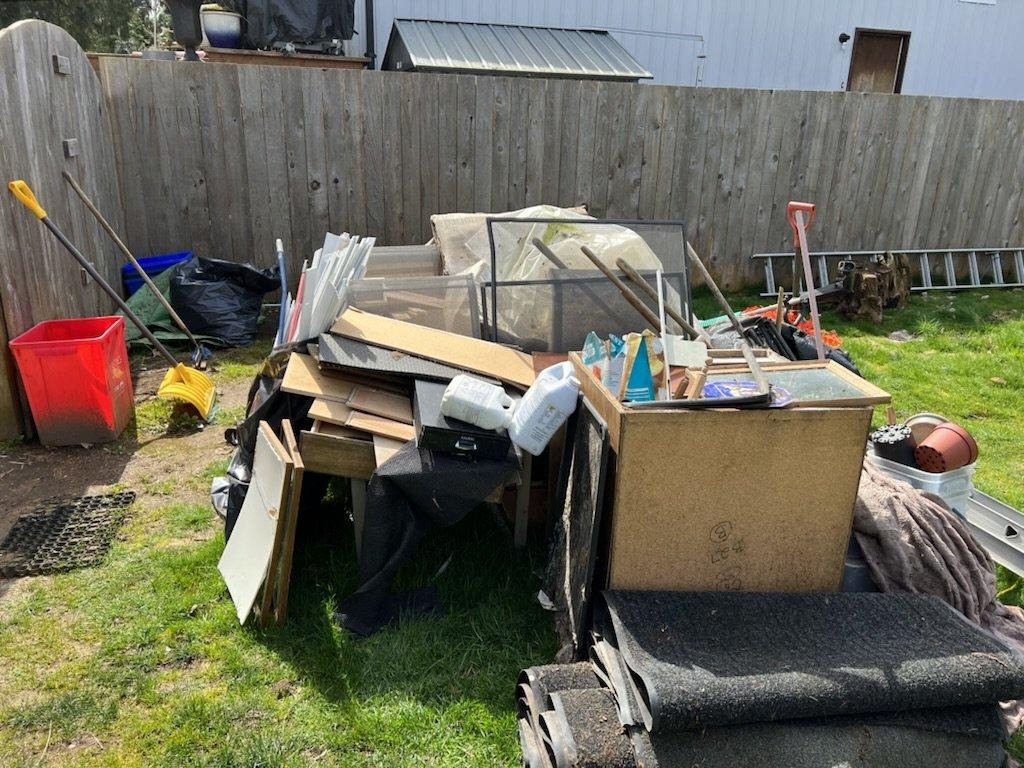
Pros and Cons of Major Junk Removal Companies
Understanding these factors helps you make an informed decision before booking an 1800 GOTJUNK Removal.
Consistency and Standardized Service
One of the biggest advantages of choosing a franchise is consistency. Franchise junk removal companies operate under strict brand standards, which means you can expect the same level of service regardless of location. Their teams follow established protocols for pickup, disposal, and communication.
This consistency is especially beneficial for businesses that may need services across multiple locations. You know in advance how the service will operate, which minimizes surprises and ensures a reliable experience.
Professional Training and Equipment
Franchise teams often receive formal training and have access to specialized equipment. This ensures they can safely handle heavy, bulky, or awkward items. From dollies and lifting straps to trucks designed for large loads, franchises come prepared for a variety of junk removal scenarios.
In addition, their crews are trained in proper disposal methods. This helps prevent accidents, property damage, and improper handling of hazardous materials. For customers, this translates into a safe, efficient, and worry-free process.
Transparent Pricing Models
Many franchise junk removal services provide clear pricing models, including volume-based or tiered flat rates. These pricing structures make it easier to budget for your project. Because the company sets standardized pricing, you are less likely to encounter unexpected costs.
Moreover, some franchises offer online calculators or pre-appointment estimates, giving you a quick way to gauge costs before scheduling. This transparency is a significant benefit for homeowners and property managers alike.
Potential Higher Costs
One downside of franchise services is cost. Because they operate under brand guidelines and larger overhead, franchise junk removal often comes at a higher price than local, independent haulers. You may be paying for the brand name, training, and equipment rather than receiving custom pricing tailored to your job.
While this additional expense can be worth it for convenience and reliability, it may not be the best option for smaller jobs or budget-conscious customers.
Less Flexibility and Personalization
Another potential drawback is flexibility. Franchise services follow standardized procedures, which can limit personalization. If your project requires unique handling, unusual scheduling, or special arrangements, an independent hauler may be more adaptable.
Local operators often adjust to meet your needs, whereas franchise crews generally follow company protocols. For customers who value a highly personalized experience, this is an important consideration.
Wide Availability and Support
On the positive side, franchises often have wider service areas and more robust customer support. They can provide quick scheduling, emergency pickup options, and multiple payment methods. For those in urban areas or managing larger properties, this level of accessibility is a significant advantage.
The presence of a support system ensures you can easily resolve questions or concerns, adding to the overall convenience of using a franchise.
Conclusion: Pros and Cons of Major Junk Removal Companies
Choosing a franchise junk removal service comes with both benefits and trade-offs. You gain consistency, trained crews, transparent pricing, and wide availability. However, you may pay higher costs and experience less flexibility than with a local independent hauler. By weighing these pros and cons against your specific project needs, you can select the service that provides the right combination of convenience, reliability, and value.
Recent Comments